Keo Seima
Location: Cambodia
Developer: WCS
Project Overview
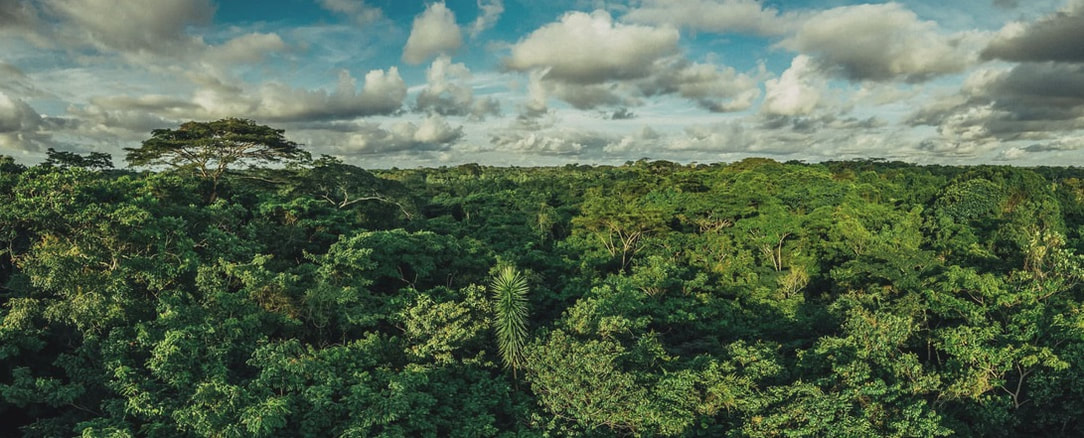
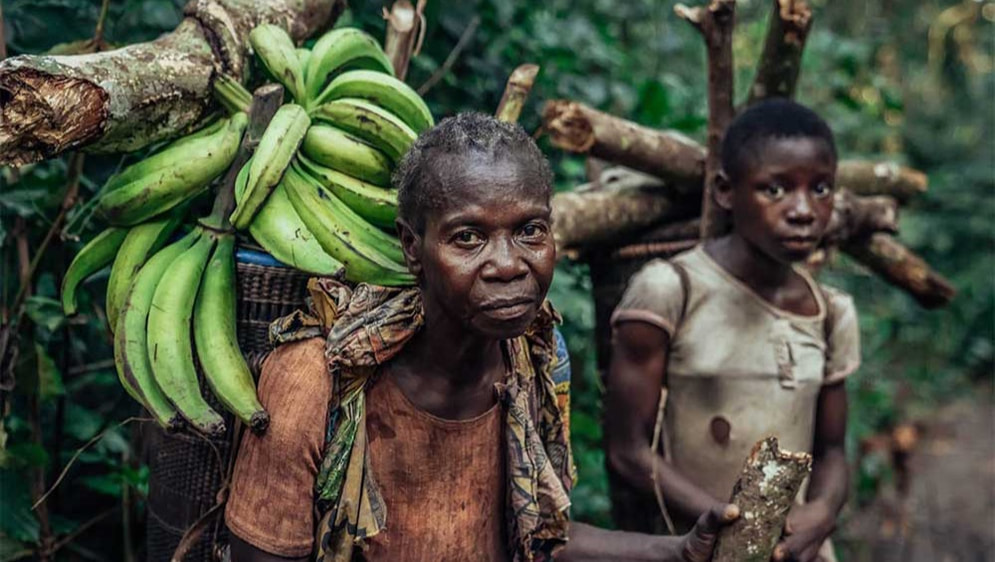
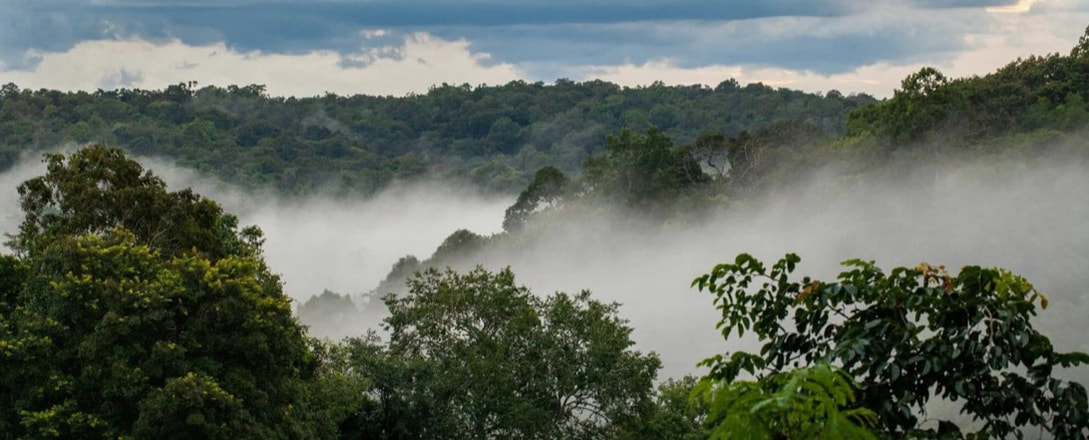
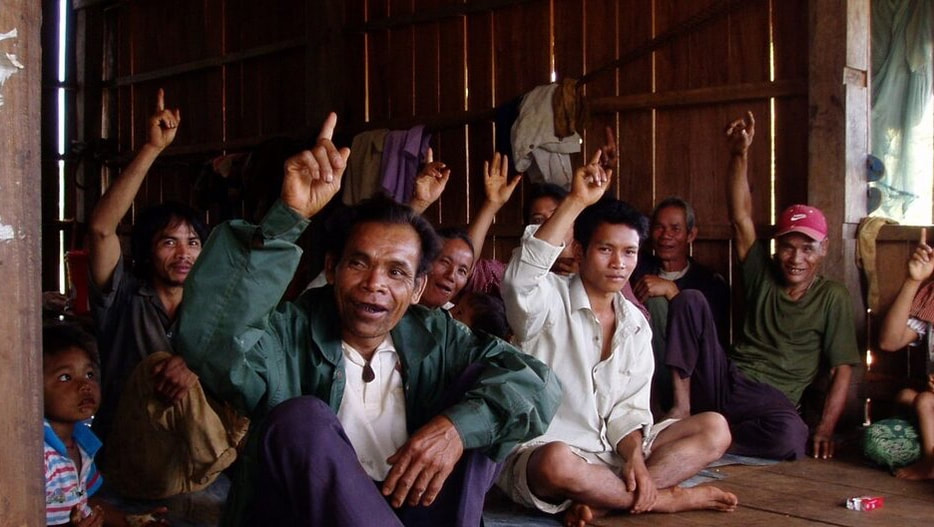
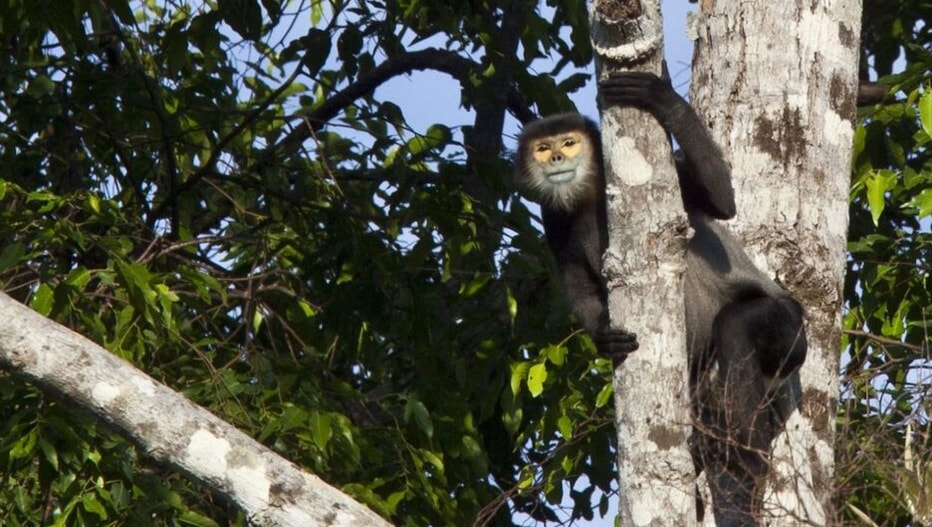
Keo Seima Wildlife Sanctuary (KSWS) is home to more than 950 wild species, including 75 globally threatened species. It is also the ancestral home of the indigenous Bunong people, whose unique culture and beliefs are inseparable from the forest in which they live. Originally designated as a protected area in 2002, KSWS is managed by the Royal Government of Cambodia’s Ministry of Environment, with technical and financial support from WCS Cambodia.
KSWS plays a vital role in the preservation of the region’s important and vulnerable wildlife, including the world’s largest populations of the endangered black-shanked douc and yellow-cheeked crested gibbon, as well as a nationally important population of Asian elephant and many other species. At the same time, it supports the sustainable development of local communities, most notably through securing communities legal title to their traditional lands, and through the REDD+ Benefit Sharing Mechanism which provides significant funding to community-chosen and community-led development projects.
SeaTrees
Location: Palos Verdes
Developer: Sustainable Surf
Project Overview
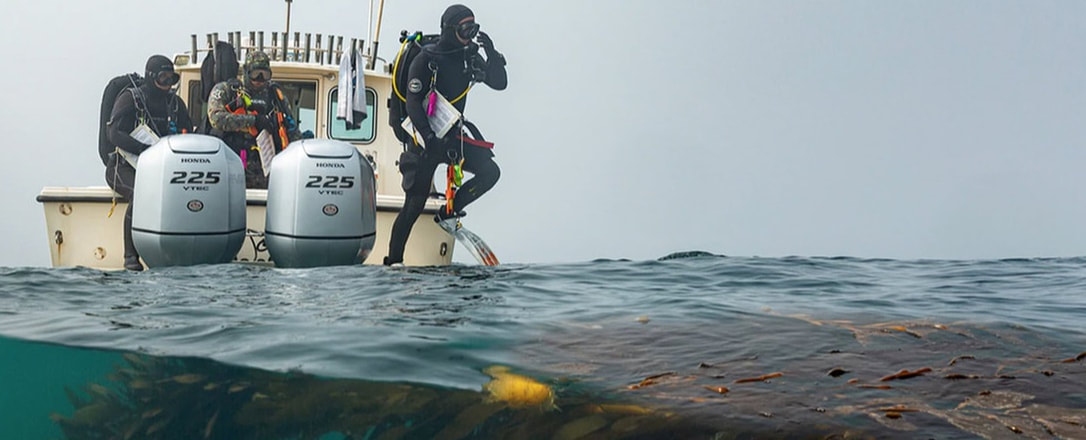
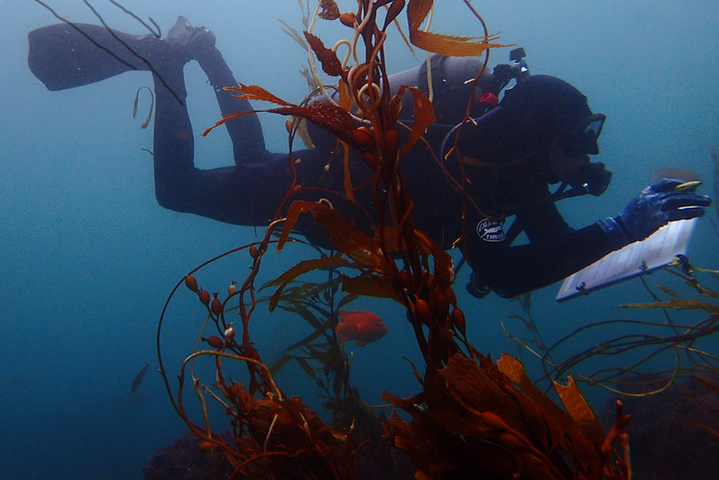
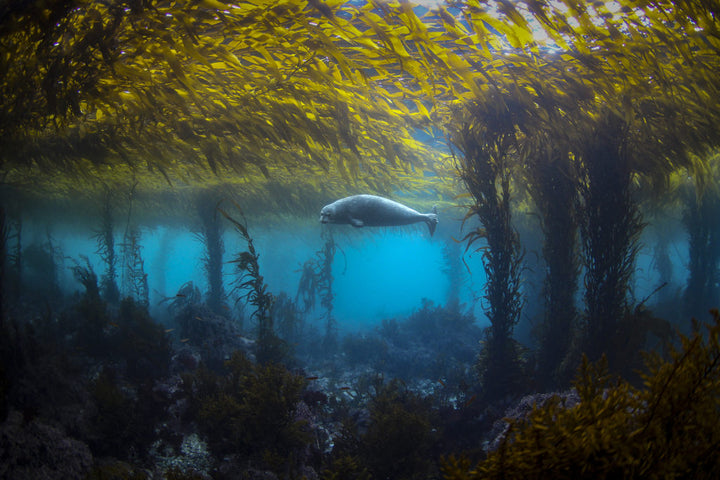
Kelp ecosystems in California are in a state of crisis. In some parts of the state, more than 90% of kelp forests have disappeared in the last 10 years. Caused by the proliferation of purple sea urchins, as their predators disappear from human impacts and climate change. Clearing "urchin barrens" allows rapidly growing kelp to regrow and re-establish into a healthy kelp forest - creating habitat for marine life and sequestering carbon emissions. The latest science shows that globally, kelp forests can sequester more carbon than mangrove forests - restoring these sequoias of the sea is critical to solving climate change.